
A curious take on the small-town mystery genre, The Boroughs is the new series that has just landed on Netflix, produced by the creators of Stranger Things, the Duffer Brothers. This sci-fi miniseries, written by Jeffrey Addiss and Will Matthews, evokes Cocoon and The Goonies, The Thursday Murder Club, and the aforementioned Netflix cult classic; it’s delightfully full of references (Geena Davis appears in a scene clearly inspired by Thelma & Louise), entertaining, and with a touch of horror.
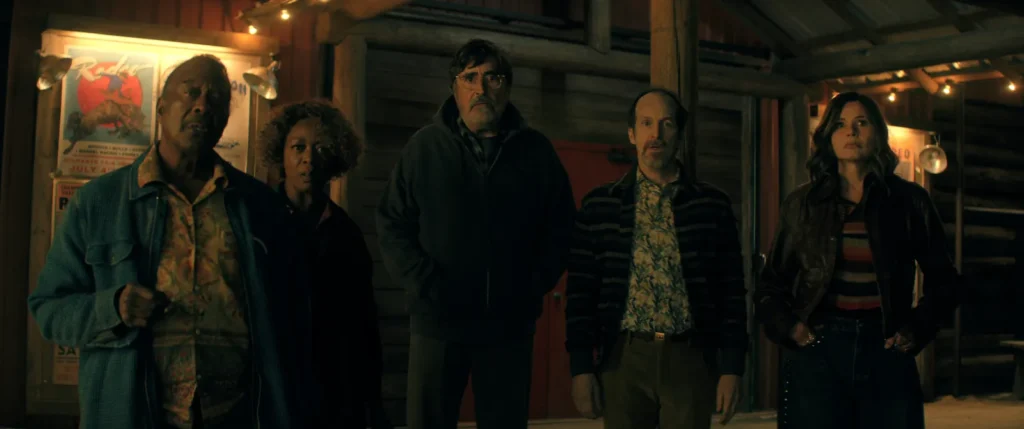
Set in a luxury retirement community, The Boroughs follows former engineer Sam Cooper (Alfred Molina), a recent widower, as he is dropped off by his daughter and son-in-law at the facility, where he is assigned a cottage he was originally supposed to share with his wife. Her sudden death has deeply affected him; his cynical and bitter attitude has relegated him to a lonely, dark place in his mind. Fortunately, his elderly neighbors are a lively group of retirees with a vibrant social life: they include Wally (Denis O’Hare), a doctor battling cancer; the feisty journalist Judy (Alfre Woodard); her hippie husband Art (Clarke Peters); the MILF and music producer Renee (Davis); and the local Casanova Jack (Bill Pullman).
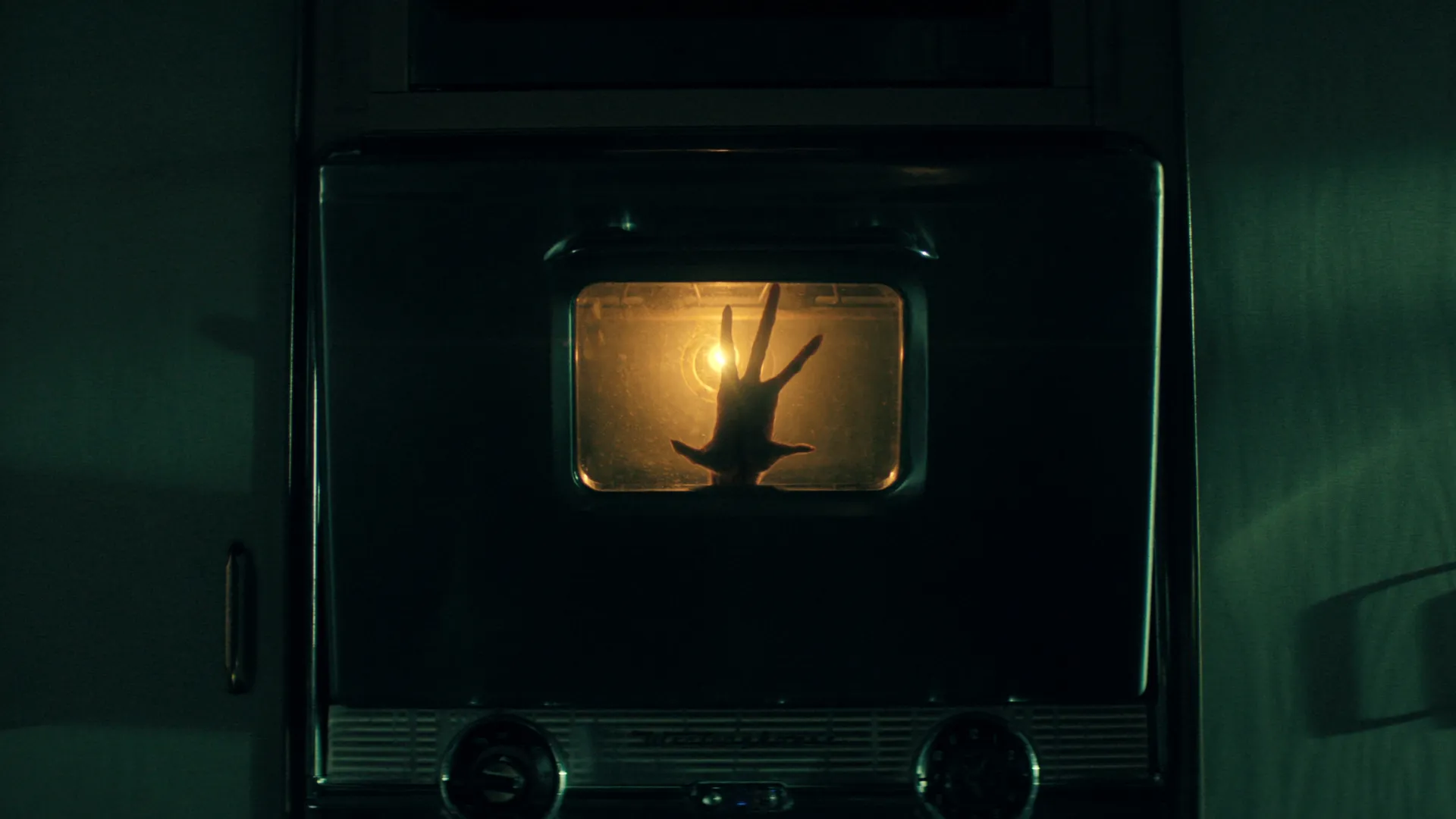
Between barbecues and rounds of golf, this close-knit group leads a very active and social life—so much so that no one has time to notice the shadowy, deadly figures that target the elderly at night, until a close encounter with a gruesome, arachnid-like vampire creature prompts Sam and the others to investigate. The show boasts a cast of veterans with timeless talent, capable of lending great emotional depth to their respective characters. Molina’s calm and authoritative presence shines, as do O’Hare’s charisma and charm, and the allure of the ever-youthful Davis.
The Boroughs is a respectable sci-fi series that seamlessly blends the genres of mystery, drama, comedy, horror, and adventure, featuring some memorable scenes (Sam’s karaoke—he’s a huge Bruce Springsteen fan—and the cameos by Anna Deavere Smith and Mary McDonnell). Each episode is packed with surprises, numerous nods to the classics, action, humor, and a tender naivety. A brilliant and intelligent screenplay (which doesn’t always care about making sense) pits this Scooby gang of aging detectives against cruel antagonists—but ones you can empathize with—and monsters that inspire fear but also compassion.
Aldiss and Matthews clearly grew up on 1980s films, and The Boroughs, despite being set in the present day, feels as though it were made during that very era. Alongside the more obvious reflection on the value of old age—the elderly residents of the facility are targeted because they have been forgotten and abandoned by society, yet they prove to be a tremendous intellectual resource—there are other, deeper and more poignant themes. Starting with the theme of grief, and how the loss of a loved one with whom one has spent most of one’s life can render the remainder of that life meaningless.
Sam’s devotion to his beloved is moving and painfully familiar, and it is reflected, with unexpected power, in the decades-long relationship between the two villains who drain the elderly to secure their own eternal life. Blaine (Seth Numrich) and Anneliese (Alice Kremelberg) have weathered the passage of time, the changing of the ages, and every kind of hardship thanks to their total love and loyalty. They are, without a shadow of a doubt, two monsters who exploit the weak, but they are the center of a narrative that reaffirms how true love knows no age, prejudice, or uncertainty.
The Boroughs is also a parable about illness, about what one is willing to do to overcome it and ward off death. From this perspective, Anneliese and Wally are two sides of the same coin: the former, a victim of polio, worn down by prolonged pain and fear, has reached a mental state that drives her to do anything to ensure a long and healthy life. A life of suffering can turn people into monsters. Wally is her more morally elevated and self-aware counterpart, but having lived a full and healthy life for most of his existence has left him facing the loss of his loved ones.
His ambition to defeat death thus has an altruistic origin. Stripped of its adventure and sci-fi horror elements, the entire narrative boils down to a sensitive and profound examination of human nature and its transience, leading to a clear conclusion: life must be lived to the fullest until the end, but it only makes sense if it ends. Despite the dramatic moments, The Boroughs maintains a witty tone, an atmosphere full of warmth and optimism, and a captivating aura: we love it all.
