
Beef – The Show immediately stood out as one of the most innovative and compelling series when it arrived on Netflix in 2024. Produced by A24, it told the story of a downward spiral of despair and fear into which the protagonists (Steven Yeun and Ali Wong) were plunged after a single, ill-timed honk at a parking lot exit. A trivial encounter that sparked a feud (a clash, in fact) with unimaginable consequences: here’s our review of the first season of Beef.
After eight Emmys and a Golden Globe, there was great anticipation for the announcement of a second season, which arrived and transformed the original concept into an anthology series with an exceptional cast: Oscar Isaac, Carey Mulligan, Charles Melton, and Cailee Spaeny. Was all this enough to meet the audience’s expectations?
An exclusive club

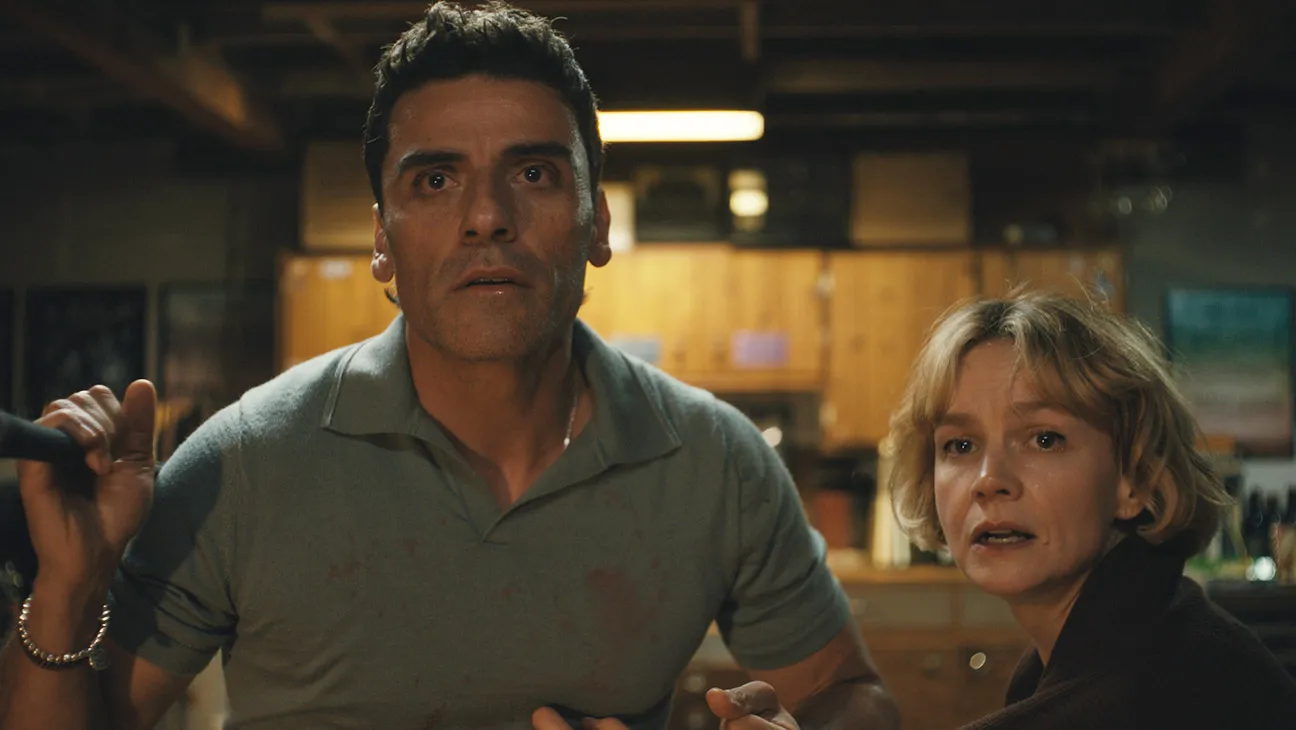
In this second season, Josh (Oscar Isaac) and Lindsay (Carey Mulligan) are a married couple running a luxury country club. Josh is the general manager (with a soft spot for OnlyFans), Lindsay is an interior designer chasing a reputation she left behind in England with her younger self. Both are frustrated with their lives and—spoiler alert—money is involved. In the background lingers the financial strain that so shook the foundations of the protagonists’ relationship in the first season, but this time, rather than focusing on “millennial” anger in the face of societal injustices, the “beef” is generational.
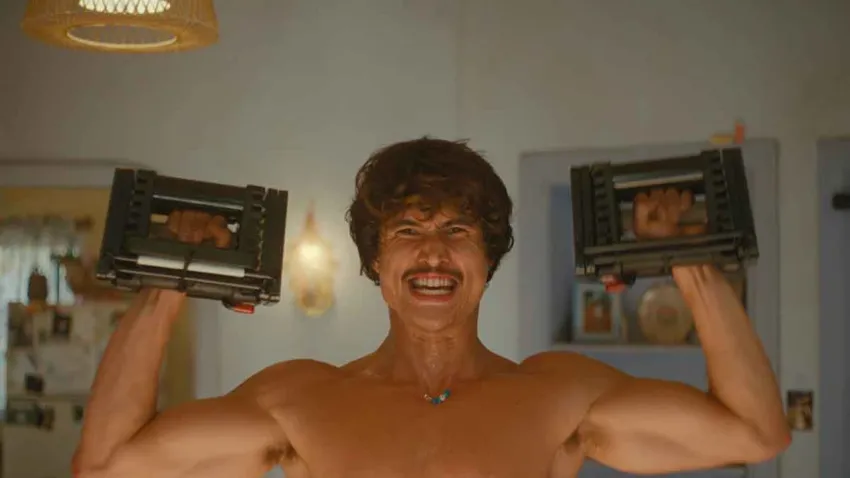
In stark contrast to Josh and Lindsay’s midlife malaise are their employees, the soon-to-be newlyweds Austin (Charles Melton), a personal trainer, and Ashley (Cailee Spaeny), a golf course caddie. When the two witness—and film on their cell phones—an argument between their boss and his wife, they decide to use the footage to blackmail him and secure a promotion for Ashley, so she can get the health insurance she needs to treat a medical condition.
A gap in perception between the two couples regarding the event becomes apparent right from the start, and this gap is at the heart of the season: the frustration of feeling exploited by those who came before, while capitalism can no longer stand on its own two feet. And finally, entering this dynamic are Mrs. Park (Youn Yuh-jung) and her second husband, Dr. Kim (Song Kang-ho, the star of the film Parasite), the new owners of the country club ready to take the reins of their latest acquisition.
A bigger story, but less lively
From a production standpoint, you don’t change a winning team: Lee Sung Jin is once again the mastermind behind the feud (along with the rest of the creative team that previously worked on Marvel’s Thunderbolts and will be behind the new X-Men reboot). This time, however, the story has a much broader scope and touches on many issues—racial tensions, aging (especially for women), the precarious nature of so many jobs, the desire for security and the bitterness that comes from lacking it, and the flawed U.S. healthcare system—and perhaps that is the biggest flaw in these new episodes.
The conflict in the first season was contained, whereas this time the show takes a broader approach to debunk the American dream once again. The conflict even extends all the way to Korea, and although the narrative remains sharp and grotesque, it’s clear that there’s a lot at stake. The inspiration from White Lotus (which handled the theme and the shift to an anthology series better) steers the episodes toward the thriller genre: despite the story’s explicit demand—at times—to surrender to the unbelievable and the absurd, Beef Season 2 isn’t bad; quite the opposite. But you miss the vibrancy of the first season.
A critique that gets lost on a large scale
There’s no denying that Oscar Isaac and Carey Mulligan are top-tier actors, but the chemistry between Steven Yeun and Ali Wong remains unmatched. The second season seems to make up for it with a decidedly more mature and perhaps even deeper story (and less “noisy” than the first). It’s a story about corruption breeding corruption, and the people involved are weak and venal. Austin and Ashley mimic those they think are better off than they are (in this case, Josh and Lindsay): Charles Melton and Cailee Spaeny are truly convincing counterparts—especially her.
It remains difficult to empathize with the characters Lee Sung Jin has created for this season; they feel too distant in terms of ideology and culture. The smaller-scale setup of the first season’s episodes likely had more warmth. By aiming for a grander scope, the new episodes inevitably feel colder and more over-the-top.
It may also be the “fault” of a writing style that views Western culture without ever really stepping out of an Eastern perspective. The perfect image of the American couple is turned on its head, and Season 2 of Beef remains a fierce, uncompromising critique of American customs, but it loses some of its character in its pursuit of large-scale social rebellion.
The second season of Beef expands on the ambitions of the first, transforming the series into a more mature and maximalist anthology. Oscar Isaac and Carey Mulligan are top-notch performers, but the chemistry between Yeun and Wong from the first season remains unmatched. Lee Sung Jin takes on big themes (racial tensions, precariousness, healthcare, identity) with a sharp eye, but there’s too much on the table, and the narrative loses the grit that made the first season so vital. Charles Melton and Cailee Spaeny are convincing as the young, angry counterparts, but it remains difficult to empathize with them. A second season that is by no means bad, but which, in trying to say it all, risks being less compelling.
